
.svg)
Storage Tips
Storage Tips
Organize Your Unit
Organize Your Unit
Get The Most Out Of Your Storage Experience
Most people rent their first storage unit in the middle of something else, a move, a renovation, a new baby, a downsize. Nobody gets a chance to become good at it first. This guide covers what actually matters: picking the right size, preparing your belongings so they come out the way they went in, laying out the unit so you can reach things later, and knowing what a fully automated facility expects from you on move-in day.
At 10 Federal Storage, we are here to help you get the most out of your storage experience. That is why we have put together some advice to help you with self storage. If you need additional support, contact our team of storage experts.
On This Page
- Choosing the right unit
- What to gather first
- Preparing items by category
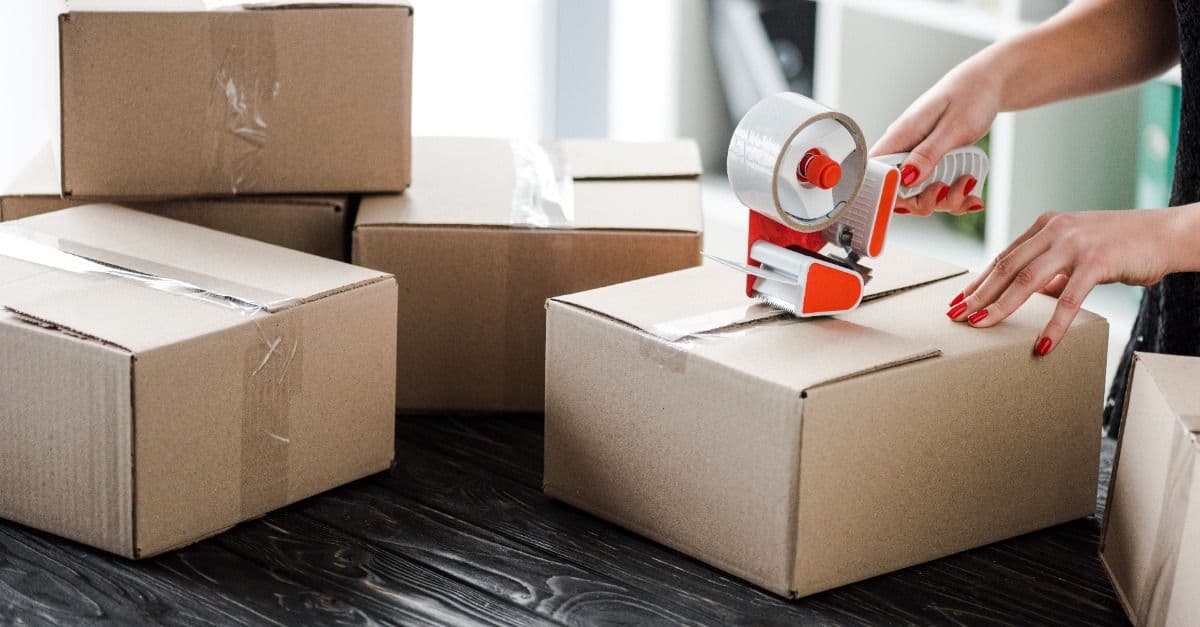
- Packing boxes properly
- Laying out your unit
- Building an inventory
- Move-in day, step by step
- What you can't store
- Long-term storage
- Common mistakes
- Frequently asked questions
Start by Choosing the Right Unit
Almost every storage regret traces back to a decision made before a single box was packed. Renting a unit that's too small means a second trip and a second rental. Renting one that's too large means paying for air. Getting the access type wrong means hauling a couch further than you needed to.
Four questions settle it.
1. How much are you actually storing?
People consistently underestimate. A bedroom that looks modest holds more than you'd guess once the closet is emptied into boxes. The most reliable method is to group everything you plan to store into one area of your home before you rent, a garage, a spare room, and look at the pile as a single volume rather than as individual objects.
Our storage unit size guide breaks down what fits in each size with real examples. Rough anchors:
Unit size | Roughly comparable to | Commonly used for |
|---|---|---|
5×5 | A hall closet | Seasonal decorations, boxed files, a few pieces of small furniture, sports equipment |
5×10 | A large walk-in closet | Studio or small one-bedroom contents, mattress set plus boxes, motorcycle |
10×10 | Half a one-car garage | One to two bedrooms of furniture and boxes, full apartment contents |
10×15 | A large bedroom | Two to three bedrooms, appliances, business inventory |
10×20 | A standard one-car garage | Three to four bedrooms, full house contents, a vehicle |
10×30 | A long one-car garage | Four to five bedrooms, commercial equipment, larger vehicles |
20×20 / 20×30 / 40×20 | Two- to four-car garage footprint | Large households, contractor and fleet storage, multiple vehicles |
The 5×5 is our smallest unit. If your list is genuinely shorter than a hall closet's worth, storage may be more than you need.
Not Sure Where You Land?
Answer a few questions about what you're storing and get a size recommendation, or upload a photo of your belongings and let our tool estimate for you.
- Try the storage decision tool
- Get a size estimate from a photo
2. Drive-up or indoor access?
Drive-up units open directly to the outside, so you can back a truck or trailer to the door and unload straight in. If you're storing furniture, appliances, or anything heavy, or if you'll be pulling items in and out regularly, the time saved is significant.
Indoor units are accessed from a corridor inside the building. They add a short haul from your vehicle, but they sit behind an additional layer of building entry and are shielded from direct weather exposure at the door.
Availability of each type varies by location. Filter by what's offered near you when you search facilities.
3. Do you need climate control?
Climate-controlled units hold a stable temperature range rather than swinging with the outdoor weather. That matters for anything that expands, contracts, warps, or degrades when temperatures spike or plunge:
- Solid wood furniture, joints and panels move with temperature change, which loosens glue and opens seams over time
- Electronics, screens, batteries, and internal components tolerate extremes poorly
- Vinyl records, tapes, film, and photographs, heat warps and degrades media
- Musical instruments, wooden bodies and strung instruments are especially sensitive
- Artwork, candles, and anything wax- or resin-based
- Leather furniture and goods
- Important paper records you expect to keep for years
For patio furniture, garden tools, plastic bins of holiday decorations, or a car you're storing over a season, standard units are usually the sensible call. Spend the difference where temperature actually changes the outcome.
4. How often will you need to get in?
If you're storing a sofa for eight months while a house is renovated, access frequency barely matters. If you're a contractor pulling tools every morning, or a business rotating inventory, it matters enormously, and it should drive both which facility you pick and how you lay the unit out.
Nearly all 10 Federal locations offer 24/7 gate access, so you're not working around anyone else's business hours. That's worth planning around: an evening unload after work is often far less stressful than a Saturday morning one.
What to Gather Before You Pack
Assembling supplies before you start is the single highest-leverage prep step, because running out of tape at 9pm on a Sunday is how a one-weekend project becomes a three-weekend project.
Item | Why it earns its place |
|---|---|
Uniform boxes in 2–3 sizes | Matching footprints stack square and stable. Mixed sizes create wobbling towers with wasted gaps. |
Small boxes for heavy things | Books, tools, canned goods, and files go in small boxes. A large box full of books is both unliftable and likely to fail at the seams. |
Quality packing tape + dispenser | Cheap tape releases over time. A dispenser roughly halves the time spent sealing. |
Packing paper or bubble wrap | For fragile items and for filling voids so contents don't shift. |
Furniture covers or old sheets | Keeps dust off upholstery and protects finishes from scuffs during loading. |
Mattress bags | Mattresses pick up dust and scuffs quickly without one. |
Wide-tip permanent markers | Labels you can read from across the unit. |
Stretch wrap | Keeps drawers shut, bundles cushions, holds disassembled parts together. |
Zip-top bags | For screws, bolts, brackets, and remotes, taped to the item they belong to. |
Dolly or hand truck | Turns a two-person job into a one-person job and saves your back. |
Furniture sliders or moving blankets | Lets you move heavy pieces without dragging them across floors. |
A note on where to get supplies
10 Federal Storage doesn't sell moving supplies or rent trucks, our facilities are unstaffed and fully automated, which is what keeps our rates where they are. Pick up boxes and packing materials from a hardware store, big-box retailer, or truck rental counter before your move-in day. Plan for it in advance rather than discovering it at the gate.
Preparing Your Belongings, Category by Category
How an item goes into storage determines how it comes out. A few minutes of prep per category prevents the overwhelming majority of storage damage.
Furniture
Clean everything first. Wipe down wood with an appropriate cleaner, vacuum upholstery thoroughly, and condition leather. Anything you leave on a surface, food residue, body oils, spilled drink, has months to set in.
Disassemble what comes apart. Table legs, bed frames, headboards, shelving units, and modular sofas all break down. A disassembled dining table takes up a fraction of the floor space and stores vertically against a wall. Bag the hardware, label the bag, and tape it to the underside of the piece it belongs to.
Store table tops and mirrors upright, not flat. Flat surfaces invite stacking, and stacking is what cracks them.
Cover, but let it breathe. Old sheets, moving blankets, and purpose-made furniture covers keep dust off. Avoid sealing furniture in plastic sheeting for long stretches, trapped air against a finish isn't doing it any favors.
Mattresses and Bedding
Use a proper mattress bag rather than a tarp or trash bags. Store the mattress flat on top of something rather than on edge if you have the room, box springs and mattresses can distort over long periods stood on their side. Wash and fully dry all linens before packing, and box them rather than leaving them loose.
Appliances
Empty, clean, and dry completely. This is the step people skip and regret. A refrigerator, freezer, washer, or dishwasher put into storage with residual water or food inside will develop odors that are very difficult to reverse.
Leave doors slightly ajar. Prop refrigerator and freezer doors open a crack so air can circulate inside. Tape or a wedge works. A sealed appliance door is a sealed environment.
Drain hoses and lines. Washers, dishwashers, and ice makers all retain water. Disconnect and drain them, then coil the hoses and store them inside the appliance drum.
Secure the drum on a washer. Check your manual, many washers use shipping bolts to lock the drum for transport.
Electronics
Original boxes are ideal if you kept them. If not, use a snug box with generous padding on all six sides.
- Remove batteries from every device. Batteries left in place can leak and destroy the contacts.
- Photograph the back of your TV, receiver, or PC before unplugging anything, so reassembly isn't guesswork.
- Coil cables individually, label them, and bag them with the device they serve.
- Store flat-screen TVs upright and on edge, never flat with weight on the panel.
- Back up anything on a hard drive before it goes into a box.
- Climate control is worth it here.
Clothing and textiles
Everything goes into storage clean and completely dry. Food residue and body oils attract pests, and any dampness at all is a problem in a sealed container.
For garments you care about, suits, coats, formalwear, wedding dresses, a wardrobe box lets them hang and prevents months of set-in creasing. For everything else, sturdy bins with lids work well. Avoid vacuum bags for anything with natural fibers or structured tailoring; long-term compression can permanently flatten wool and crush shape.
Books, documents, and photographs
Books go in small boxes, packed flat or spine-down, never fanned open or spine-up, which breaks bindings over time. Don't overfill; a box of books gets heavy fast.
Photographs should be separated with acid-free paper rather than stacked directly against each other, and stored in a rigid box that won't get crushed. Records and files belong in a proper file box with a lid.
For anything genuinely irreplaceable, birth certificates, passports, deeds, original photographs with no digital copy, a storage unit is the wrong place. Keep those with you or in a safe deposit box. See the restrictions section below.
Artwork, mirrors, and glass
Wrap each piece individually in packing paper, then bubble wrap, then a rigid picture box or mirror carton. Tape a large X across the glass face before wrapping, if it breaks, the tape holds the pieces together instead of letting them travel. Store upright and on edge, and mark the boxes clearly so nothing gets stacked on them.
Kitchenware, china, and glassware
Plates travel better standing on edge than stacked flat, the same principle as a dish rack. Wrap each piece individually. Stuff glasses and stemware with crumpled paper before wrapping the outside. Fill every void in the box; empty space is where breakage happens. Label the box on all sides as fragile.
Musical instruments
Loosen the strings on guitars, violins, and other strung instruments to reduce tension on the neck over a long storage period. Use a hard case, never a soft gig bag alone. Clean and dry brass and woodwind instruments and disassemble what disassembles. Climate control is strongly advised for anything wooden.
Tools, equipment, and anything with an engine
Drain all fuel and oil from lawn mowers, trimmers, chainsaws, generators, and pressure washers before they go into a unit. This isn't only about spills, fuel is a prohibited item under storage leases generally, and a tank of gasoline sitting in a unit is a genuine hazard.
Wipe metal tools down and give them a light coat of machine oil. Coil extension cords and hoses. Keep sharp implements sheathed or boxed so they can't catch someone reaching past them.
Packing Boxes That Hold Up
A well-packed box is one you can stack six feet high without thinking about it. A badly packed one sags, splits, or crushes what's underneath.
Seven rules for a box that stacks
Reinforce the bottom before you fill
Run tape along the center seam and then across both edges, the "H" pattern. The bottom of a box is where failures happen.Heavy things in small boxes, light things in large
This is counterintuitive and it's the rule people break most. Books in a large box create something nobody can lift and the cardboard can't hold. Pillows and linens in a large box are fine.Cap the weight around 40–50 pounds
If you can't comfortably carry it across a parking lot, repack it. You'll be handling these twice, once in, once out.Fill every void
Crumpled paper, towels, or packing material in the gaps stops contents from sliding around and keeps the box from collapsing when stacked. A half-full box is a weak box.Pack flat on top
Contents should come level with the box top so the lid closes flat. Bulging tops make stacking impossible.Label the top and all four sides
Once boxes are stacked, only one face is visible, and it's rarely the one you labeled. Write the room, a short contents summary, and a box number on every side.Mark fragile boxes clearly and separately
Use a different color marker so they're identifiable at a glance and don't end up at the bottom of a column.
Laying Out Your Unit
Loading a unit well is a planning exercise you should do before you arrive, not while standing in the doorway holding a dresser.
The core idea: a 10×10 unit isn't 100 square feet of storage, with roughly 8 feet of usable height, it's closer to 800 cubic feet. Most people use about half of that because they think in floor space. Building upward is where the real capacity is.
The Order of Operations
Sweep the floor and plan on paper
Sketch the footprint before move-in day and assign zones. Two minutes with a pen saves an hour of rearranging.Put down risers or pallets along the back and sides
Raising boxes an inch or two off the concrete improves airflow around the stack and keeps box bottoms off a floor that can pick up dirt or tracked-in rain near the door.Load the largest, heaviest items first, along the back wall
Appliances, dressers, sofas, and disassembled furniture form the foundation. Heaviest items go on the floor, always.Use hollow spaces inside furniture
Dresser drawers, wardrobes, filing cabinets, coolers, washing machine drums, and even trash bins are storage volume you already paid for. Fill them with lighter boxes and soft goods.Build box columns from heaviest at the bottom to lightest at the top
Keep columns square and uniform. Boxes of the same size in the same column stay stable; mixed sizes topple.Leave a center aisle
In anything 10×10 or larger, an aisle down the middle is the difference between retrieving one box and unloading half the unit. It costs you some floor area and repays it every single visit.Put frequently needed items at the front, at eye level
Seasonal decorations, business inventory, kids' outgrown clothes you rotate through, anything you'll come back for goes where you can reach it without moving anything else.Turn labels outward
Every label should face the aisle or the door. This one costs nothing and pays off constantly.Keep fragile and irregular items on top
Mirrors, artwork, lamps, and glass go last, on top of stable stacks or standing on edge against a wall where nothing can fall onto them.
If you're storing a vehicle alongside belongings
Plan the vehicle's position first and build around it, leaving room for doors to open. For dedicated vehicle storage, see our pages on vehicle storage, RV storage, and boat storage.
Build an Inventory While You Pack
This is the step that separates a unit you can use from a unit you dread opening. It takes almost no additional time if you do it as you go, and it's nearly impossible to reconstruct afterward.
Number your boxes and keep a list. A notes app or a shared spreadsheet works. Box 14, kitchen, small appliances and baking pans. That's the entire discipline.
Photograph the unit when you finish loading. A few shots from the doorway give you a visual map, and they're genuinely useful documentation if you ever need to file a claim.
Sketch a rough map. Mark which zone holds which category. Tape a copy inside the door if you like, and keep one on your phone.
Note anything valuable separately. Serial numbers, model numbers, and condition photos for higher-value items are worth having on record before the door closes.
Move-In Day at an Automated Facility
This is where 10 Federal works differently from a traditional storage operator, and knowing the difference in advance makes the day considerably smoother.
Our facilities have no on-site staff. There's no office to check into, no appointment to schedule, no counter to wait at, and no business hours to work around. The entire rental happens online, and you go straight to your unit.
How move-in works, start to finish
Rent online before you load the truck
Pick your facility and unit size, complete the rental, and you're done. There's nothing to sign in person. Do this before moving day, not during it.You'll receive your gate access details
Your access credentials and unit number come to you after checkout. Keep them on your phone and make sure anyone helping you knows where to find them.Your free lock is waiting at the unit
Every move-in includes a free lock, there's nothing to buy in advance and nothing to pick up beforehand.Drive in whenever suits you
Nearly all locations offer 24/7 gate access. Early morning before traffic, or late evening after the truck is returned, are both entirely workable.Load the unit on your plan
Nobody is waiting on you and nothing closes at five. Take the time to do the layout properly.Manage everything from your account afterward
Payments, autopay, unit transfers, and move-out are all handled in your online account.
Two Things to Plan Around
We can't accept deliveries. Because facilities are unstaffed, there's nobody to receive a shipment on your behalf. If you're having items shipped, they need to go to an address where someone can sign for them, and you bring them over yourself.
Each rental is held by one party. A unit is leased to a single renter. If more than one person needs to be able to access the unit independently and be responsible for it, that's worth sorting out before you rent rather than after.
What You Can't Store
Every storage lease restricts certain items, and these restrictions exist because of genuine safety and liability concerns rather than bureaucratic caution. The broad categories:
Never Permitted
- Flammable, combustible, or explosive materials, gasoline, propane tanks, kerosene, lighter fluid, paint thinner, fireworks, ammunition, and similar
- Hazardous, toxic, or corrosive substances, chemicals, pesticides, fertilizer, asbestos, biological waste
- Perishable food, anything that can spoil, rot, or attract pests. Sealed, shelf-stable goods are a different matter; anything fresh or frozen is not
- Living things, plants and animals of any kind
- Stolen or illegal property, or anything unlawful
- Unregistered or uninsured vehicles, where vehicle storage applies
- Anything used as a residence or workspace, units are for storage only, and are not to be occupied, slept in, or used as a shop
Not Recommended, Even Where Permitted
Some items aren't prohibited outright but are a poor fit for a storage unit, typically because they're irreplaceable, because coverage doesn't extend to them, or both.
- Cash and negotiable instruments
- Jewelry, precious metals, and gemstones
- Fine art and high-value collectibles
- Original irreplaceable documents, passports, birth certificates, deeds, wills
- Furs and other specialty items typically excluded from standard coverage
The protection plan required at checkout has coverage limits and exclusions, and high-value categories are commonly among them. Review the terms at checkout so you know exactly what is and isn't covered before you decide what goes in the unit. If something is genuinely irreplaceable, a safe deposit box is the better answer.
Storing for the Long Term
Storage that lasts a season is a different exercise from storage that lasts three years. If you're in the second category, a few adjustments pay off.
Choose containers with the timeline in mind. Rigid, lidded plastic bins hold their shape indefinitely and stack more reliably than cardboard over multiple years. If you're using cardboard for a long stretch, use new boxes rather than recycled grocery-store ones, and don't overload them.
Lean toward climate control. Over years rather than months, repeated temperature cycling is what damages wood, electronics, media, and instruments. The longer the horizon, the more the additional cost is worth it.
Visit occasionally. Two or three times a year, walk the unit. Check that stacks haven't shifted, that nothing is bowing under weight, and that everything looks the way you left it. It takes ten minutes.
Revisit the size. Storage needs change. If you've removed half of what you originally stored, you may be paying for a unit larger than you need, a transfer to a smaller unit is straightforward to request through your account.
Keep autopay current. Update your card before it expires. A lapsed payment method is the most common avoidable problem in long-term storage.
Common Mistakes Worth Avoiding
- Renting too small to save money. The difference between sizes is usually modest. The cost of a second unit, or of not being able to fit what you brought, is not.
- Storing anything damp. A slightly damp towel, a not-quite-dry appliance, or a washed-but-not-dried garment will affect everything around it in a closed box.
- Skipping the aisle. Every single visit becomes an unloading project.
- Labeling one side only. Guaranteed to be the side facing the wall.
- Stacking flat surfaces. Table tops, mirrors, and glass go on edge.
- Leaving batteries in devices. Leaking batteries ruin the device they're in.
- Using thin recycled boxes. They fail under stacking weight, usually in the middle of a column.
- Not photographing the finished unit. Thirty seconds of work, useful for years.
- Storing fuel-powered equipment without draining it. Prohibited and genuinely hazardous.
- Assuming someone on site will help. Our facilities are unstaffed by design. Bring the help you need, and bring a dolly.
Frequently Asked Questions
It depends on volume rather than item count. A 5×5 holds roughly a hall closet's worth, a 10×10 handles one to two bedrooms, and a 10×20 fits most three- to four-bedroom homes. Our size guide shows what fits in each, with examples. When you're genuinely between two sizes, the larger one is usually the better call, the price difference is smaller than the cost of running out of room.
No. A free lock is included with every move-in, so there's nothing to buy beforehand.
It depends entirely on what you're storing. Climate-controlled units maintain a stable temperature range rather than swinging with outdoor conditions, which matters for solid wood furniture, electronics, media, artwork, musical instruments, leather, and paper records. For patio furniture, garden tools, plastic bins, or a vehicle, a standard unit is usually the sensible choice.
Nearly all 10 Federal locations offer 24/7 gate access, so you can come and go on your own schedule rather than around office hours. Access details for a specific facility are listed on that location's page.
Our facilities are fully automated with no on-site staff, that's how we keep rates competitive. You rent online, receive your access details, and go straight to your unit whenever it suits you. Our customer support team is available if you have questions or run into an issue, and everything else is handled through your online account. Plan to bring your own help and equipment for moving day.
No. Because our facilities are unstaffed, there's nobody available to receive or sign for deliveries. Shipments need to go to an address where someone can accept them, and you bring the items to your unit yourself.
We don't. Our facilities are automated and unstaffed, so there's no retail counter on site. Pick up boxes, tape, and packing materials from a hardware store, big-box retailer, or truck rental location before your move-in day.
Each unit is rented to a single party. If multiple people need to access the unit and share responsibility for it, that's worth working out before you complete the rental.
A protection plan is required at checkout. It has coverage limits and category exclusions, high-value items like jewelry, cash, and collectibles are commonly excluded from standard coverage. Review the terms at checkout so you know what's covered before deciding what to store. Some homeowners and renters policies extend limited coverage to items in storage, which is worth checking with your own insurer.
Flammable and combustible materials such as gasoline and propane, hazardous or toxic chemicals, perishable food, plants and animals, stolen or illegal property, and anything unlawful. Units also can't be occupied or used as a workspace. Drain fuel and oil from mowers, generators, and similar equipment before storing them.
Rentals are month-to-month, with no long-term contract. Keep it for a month or several years, and move out through your online account when you're ready.
Yes. If your needs change, a transfer to a larger or smaller unit can be arranged through your account, subject to availability at that facility.
Get Your Self Storage Experience Started With 10 Federal
At 10 Federal, we have experienced storage professionals who can help you make the most out of your storage unit. Find a 10 Federal Storage location near you with the best storage solutions for what you need.